
In keeping with the theme from the first post, this week I’m going to share with you some of my favorite ways to reduce waste in the kitchen. One of the best things about the suggestions I’ve shared below and the concept of waste-reduction in general is that it saves us money! By repurposing an item for a second use, reducing food waste, and extending the life of the products you buy, you are saving yourself from having to buy more. A win for the earth AND a win for your wallet.

Photo by Kalisha Ocheni on Unsplash
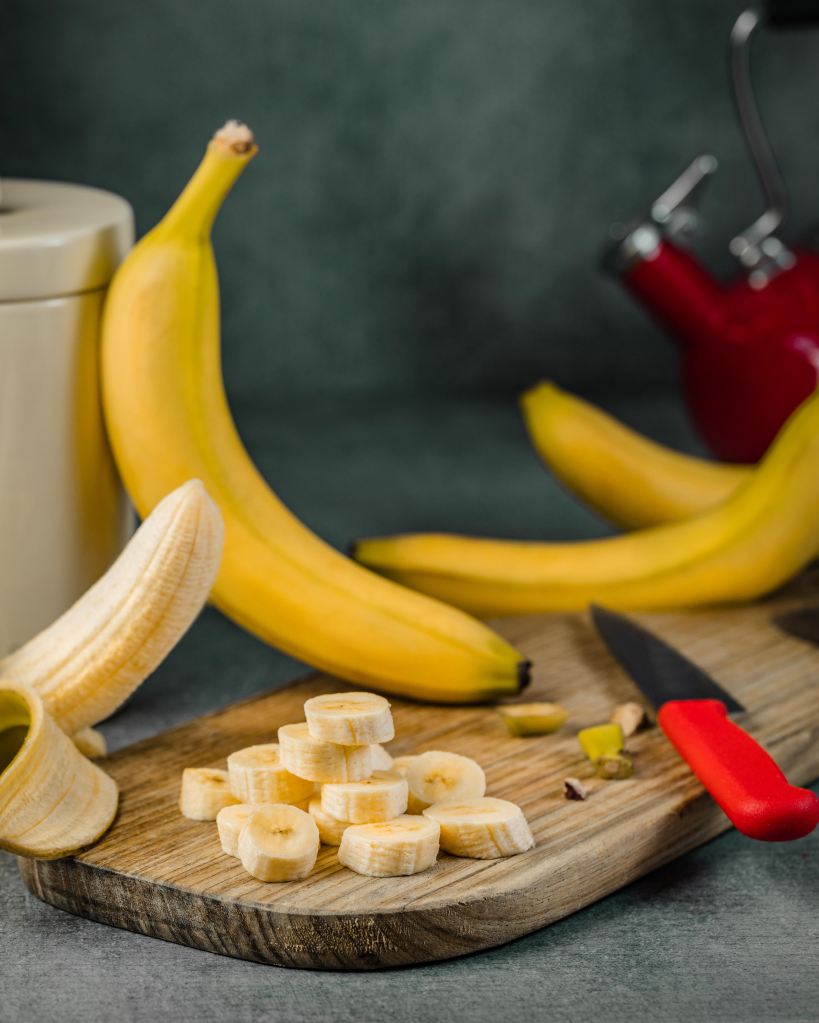
Photo by Eiliv Aceron on Unsplash

Photo by Kate Trifo on Unsplash
Make your own
So many things we buy at the store can be made at home if you put your mind to it. The convenience of buying products already made at the store is undeniable. But DIY-ing can save on lots of wasted packaging!
One easy example of how I do this at home is coffee cream. If you’re like me, coffee is an absolute necessity. And I strongly prefer it with a little non-dairy cream. When I started my low-waste journey, I quickly became frustrated at the options. Most coffee cream comes in plastic containers and, though delicious, also comes with a bunch of ingredients that seemed unnecessary to me. So, I took matters into my own hands. For a short time, I made my own oat milk just by blending oats and water together and straining out the residue – super simple, great for smoothies, not great in coffee. My current favorite non-dairy coffee cream recipe is here. The only ingredients that are absolutely necessary are cashews, coconut, and oats. It blends well into my coffee and makes me not even miss my old store-bought creamer. Plus, it’s pretty customizable so if you wanted to add some sweetness with maple syrup or cocoa powder for some chocolate flavor you could definitely change it up! And the best part is, these ingredients can all be purchased at the local bulk/refill grocery store. (I’ll cover grocery shopping in another post but for now I will tell you that we buy goods like nuts, oats, and grains at a store called Turnip Truck. They allow you to bring your own container to fill up on dry goods and charge you by weight)
Other DIYs you can incorporate into your kitchen include vegetable broth and soup, seasoning packets, snacks, juice, and so much more! There are a lot of blogs out there with ideas on this topic and I usually use Pinterest as a starting point.
Make a plan for your food
Like I said in the previous post, 30-40% of the total food supply in the United States gets wasted. And we’ve all been there! You go to the store at the beginning of the week with your meal plan and a list and stock up on all the ingredients you think you’ll need for the week… and then life happens! No matter what the things are in our daily lives that compete for our time – work, school, family, etc – we all have them. Sometimes it’s a truly amazing thing how our society is so built for convenience. A late night at the office? Just grab takeout on the way home. But then what happens to the lettuce wilting in the fridge that was so well-intentioned at the beginning of the week?
The good news of course is that some of our kitchen waste can be composted. But how do we prevent ourselves from creating that waste to begin with? I have found that so much of staying on track with the low-waste lifestyle is being prepared and planning ahead. So be realistic with yourself! If you usually eat out or get takeout 5-6 times per week, planning to make every single meal at home next week is probably not realistic. You could also break up your grocery store runs into smaller trips – it’s more likely you can be realistic about your needs for the next 2-3 days than for the next 7.
Get creative
Before sending your food to the trash or the compost, think about if there’s a way it can be repurposed even just one more time before the end of its life. For example, after I squeeze the juice out of a lemon, instead of throwing the rinds right in the compost, I freeze them until I have a few and then I boil them on the stove and use the lemon water to make my own all-purpose cleaner. Or, right before my bananas go bad, I peel them open, cut them up, and stick them in the freezer to use for smoothies later. This can also be done with a lot of vegetables – either to throw into a smoothie or just to reheat as a side dish later. And on that note, if your leftovers are on their last legs before meeting their fate with the garbage can, most of these can be frozen, too! Think DIY frozen meals. At our house, we do this with everything from soup to pasta – anything that you were going to heat back up anyway can probably be frozen.
Reply in the comments below with your favorite hacks for reducing waste in the kitchen!

 Sustain-a-ville
Leave a comment