
Let’s start by talking about why plastic is so widely used. The short answer is that it’s inexpensive to make. Before the existence of plastic, we used glass, paper, and other more natural products, but plastic can be made more cheaply than most other substitutes.
Because it’s inexpensive, that also means it really isn’t a very high quality material (some types are definitely higher quality than others). Unlike glass, when plastic is used, little tiny plastic particles (called microplastics) rub off onto its surroundings. This is called leaching and it is through this process that microplastics end up in the air, the soil, waterways, and ultimately, our bodies.
Why should we care about microplastics? By definition, microplastics (and even smaller nanoplastics) are so small that they are invisible to the naked eye. So what harm can these teeny tiny little particles really be doing? Well, for one, because they are so small they spread throughout the environment often unbeknownst to us. All plastic is derived from petroleum – that’s right, the same petroleum used to create the gasoline that fuels cars. The long term effects of microplastics on our environment and our bodies probably isn’t even fully understood yet but what we do know is that ingesting microplastics is linked to a higher risk of cancer, organ failure, and hormone disruption, just to name a few.
Here are some ways you can avoid ingesting microplastics.
1. Never microwave or heat plastic
The process of heating plastic makes the bonds that hold the particles together much weaker. When the bonds are weaker, there is a much higher likelihood of the particles breaking away and leaching into the surrounding environment. Not microwaving plastic may seem like a bit of a no-brainer, it’s commonly talked about these days. But don’t forget to consider other ways that plastic gets heated cause the same effect – like washing it in a dishwasher, leaving it in a hot car, etc
2. Swap your plastic kitchen utensils for wood or bamboo
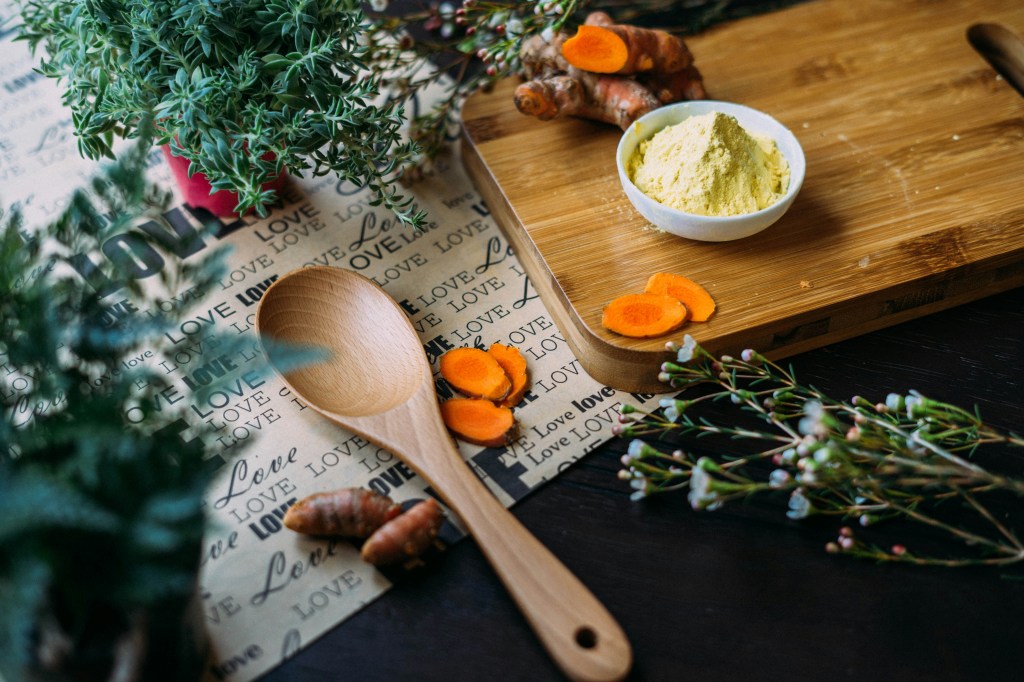
Similar to above, cooking is another way plastic is often used in a heated environment. Think about using a plastic spoon for example – when you use that spoon to stir some fresh soup heating on the stove, the plastic particles from that spoon end up as an unplanned (and unnecessary) ingredient in your meal. By swapping for wood, bamboo, or even silicone alternatives, you can keep harmful microplastics out of the nutritious food you just cooked.
3. Cut out plastic bottles
On average, a 1-liter plastic water bottle contains 240,000 microplastics. And that’s just the average, think about how many microplastics are swimming around in the bottles that get left in the sun on a warm day or forgotten in your car. Plastic water bottles should only be used when you truly have no other option (i.e. no access to safe drinking water). Plan ahead by bringing a stainless steel reusable bottle with you and, when really in a bind, try to find a water fountain or to-go options that come in aluminum cans.
4. Opt for loose leaf tea
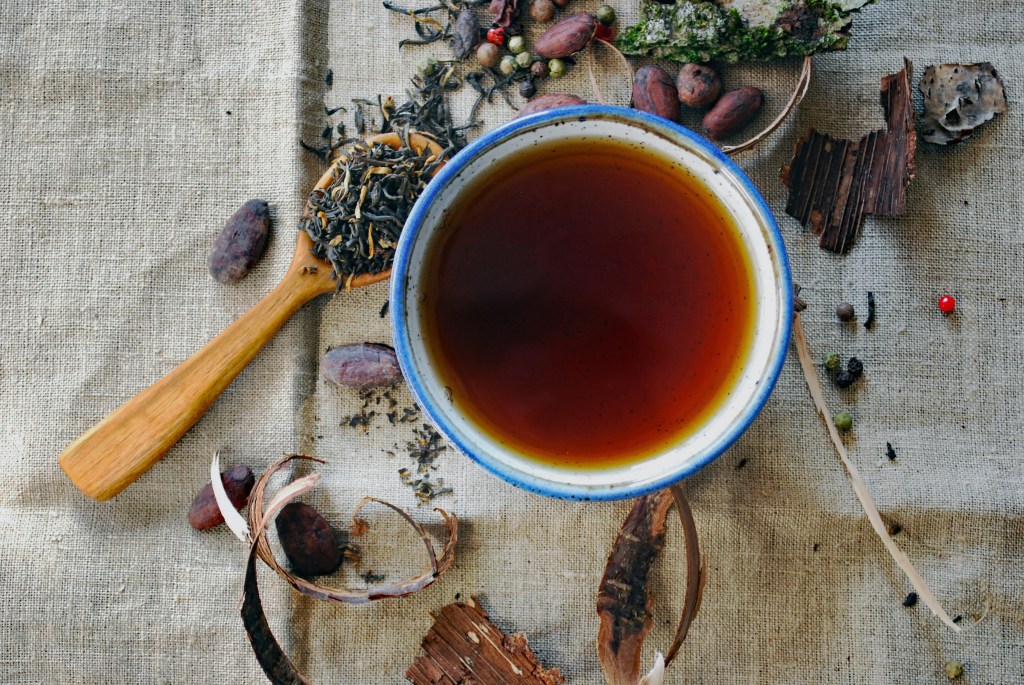
Even worse than a plastic bottle of water, a tea bag can release billions of microplastics into one single cup of tea. You read that right – billions! The makeup of most tea bags is a combination of materials, which includes polypropylene. That nice, boiling hot cup of water you just heated up for your tea creates the ideal environment for those plastic particles to leach into the water and swim around in your tea, invisible to the naked eye. Drinking loose leaf tea can prevent your nice warm beverage from containing an unwelcome surprise.
5. Choose plastic-free dishwasher tablets
Many dishwasher tablets come coated in a plastic film which makes it easy to throw right in the dishwasher without any mess of gel or powder. Convenience-wise, this might seem like a huge win. Pop the tablet in there, hit start, and voila! Clean dishes. But when you use dishwasher tablets that contain that plastic coating, it’s not just ending up in the water supply, but it also ends up coating our dishes – even the ones that appear perfectly clean and safe to eat off of. There are several brands out there now that offer the convenience of tablets without the plastic – I recommend opting for one of those instead.
6. Use wood and bamboo cutting boards
This one might seem surprising to some since plastic cutting boards aren’t used in any kind of heated environment. What could go wrong with a plastic cutting board, right? Well, when you use your sharp knife to slice down onto a plastic cutting board, little tiny particles get scraped off the surface of the board and get mixed in with the food you’re cutting. To avoid this, choose wood or bamboo cutting boards. When cared for properly, wood and bamboo cutting boards should last for a lifetime. And a bonus here is that, when it is time to dispose of them, they can be composted since they are made of completely natural materials.
7. Replace Teflon/non-stick pans with stainless steel or cast iron
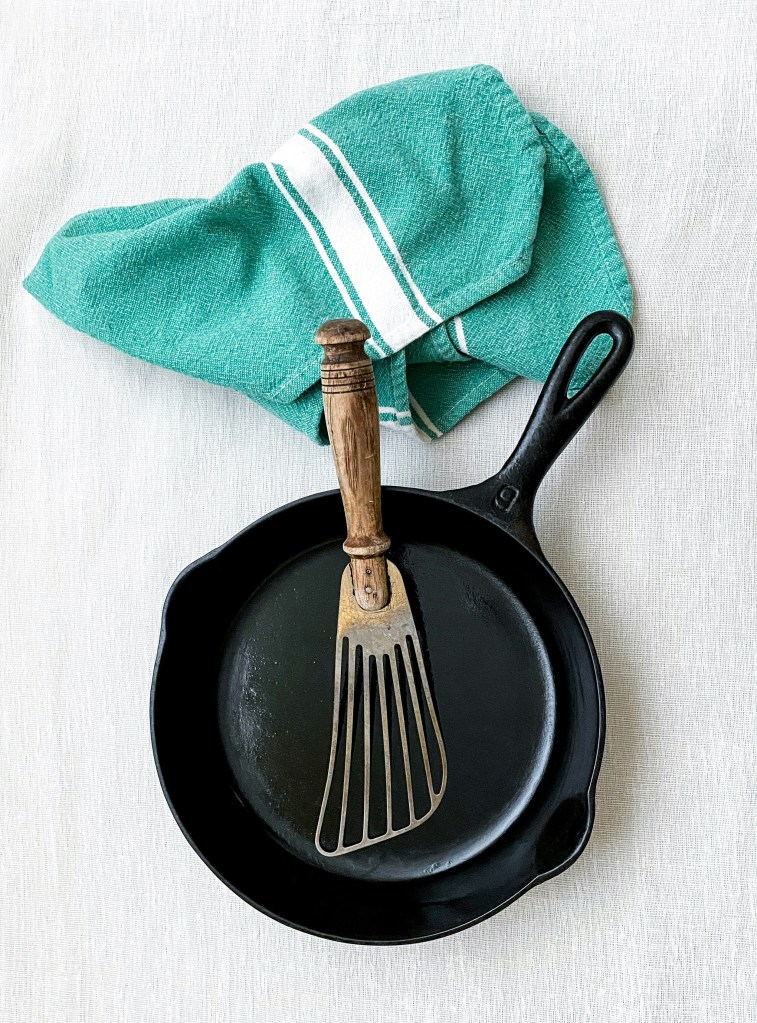
Non-stick pans are another seemingly genius invention for the sake of convenience. No oil or butter needed to heat up food on the stove and prevent that food from sticking all over your pan. However, the non-stick surface is, technically, plastic. Not to be a broken record here but by now you’ve probably guessed that using a non-stick pan on a heated stove will cause those particles to break down. Ingesting any kind of plastic is not good but Teflon, in particular, is made up of a chemical called PFAs, also known as forever chemicals. Like its name suggests, these chemicals persist in the environment literally forever. They are also known for being some of the most harmful because they are toxic even at very low levels. Teflon and PFAs should be avoided entirely by replacing with stainless steel or cast iron.
8. Avoid highly processed foods
Due to the manufacturing process, highly processed foods are often laced with microplastics. Even though it may be unintentional, foods that have to go through various forms of tubes, conveyor belts, plastic containers, etc, inevitably end up with microplastics. To avoid this, opt for as many all-natural foods as possible and make food from scratch using natural ingredients.
9. Drink filtered tap water
Even if you avoid plastic water bottles, there is still a risk of microplastics ending up in your drinking water. This is due to pollution and improper disposal of plastic materials, microplastics are in pretty much every form of water supply. They’re in our lakes, rivers, and oceans and, therefore, our drinking water. The best way to avoid this is to make sure you filter water that comes out of the tap before you drink it.
10. Don’t reuse single-use plastics
Single use plastics, due to their nature of being disposable items, are often made out of the lowest quality of plastic. Of course it would be preferred to avoid single-use plastics altogether but, if that isn’t possible for whatever reason, you should use that product for its intended purpose and then dispose of it properly. Reusing items like plastic cutlery, single-use disposable cups, plastic water bottles, etc, increases your risk of microplastic contamination. This is because these items weren’t built to last. Plastic exists in the environment for thousands of years but that doesn’t mean it keeps the same shape and form that whole time, it breaks down slowly over time. So, the longer we drink from a plastic cup, the more microplastics there are likely to be swimming around in it.
11. Say “no” to single-use coffee cups
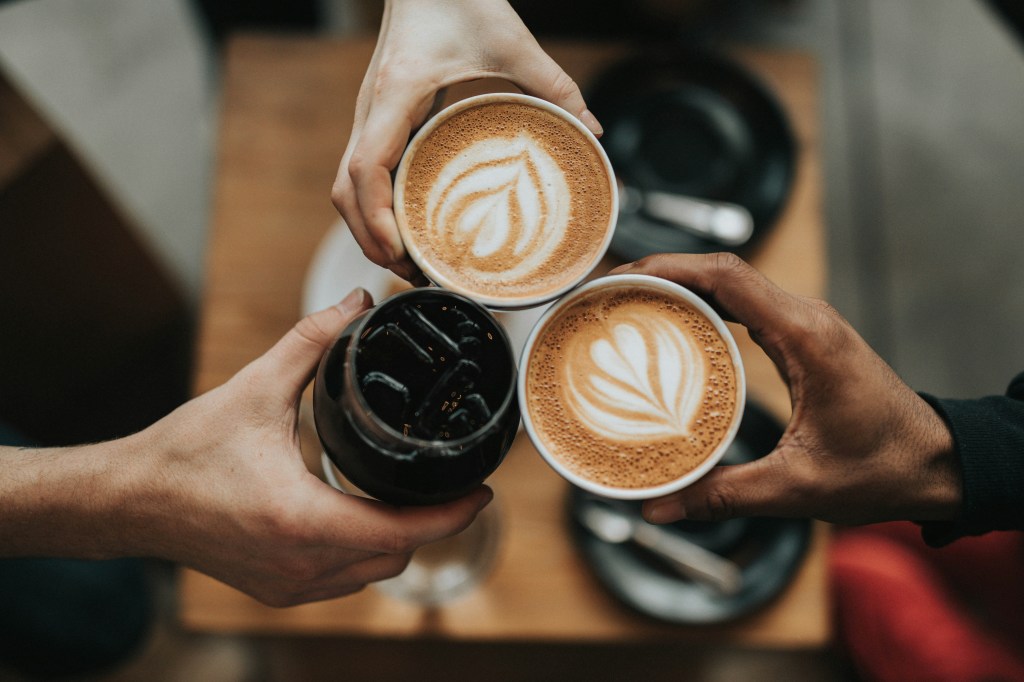
Lastly, refuse single-use coffee cups whenever possible. Although they may look like they’re made out of paper, they contain a plastic film on the inside to keep the coffee from seeping through to the outside. Not only does this make all paper coffee cups un-recyclable, it also means that microplastics are making their way into your cup of joe. Good alternatives are to either bring your own to-go mug or, some coffee shops use ceramic mugs for anyone enjoying their coffee on site.
As with any effort to make a zero waste or non-toxic change, it helps to start small. Even just attempting one or two of these ideas can help you build the momentum you need to try a few more. Plastic is literally everywhere and, unfortunately, microplastics probably can’t be avoided entirely. But we can reduce our impact on the earth and our bodies by making a few small adjustments to our daily routines.


Leave a Reply