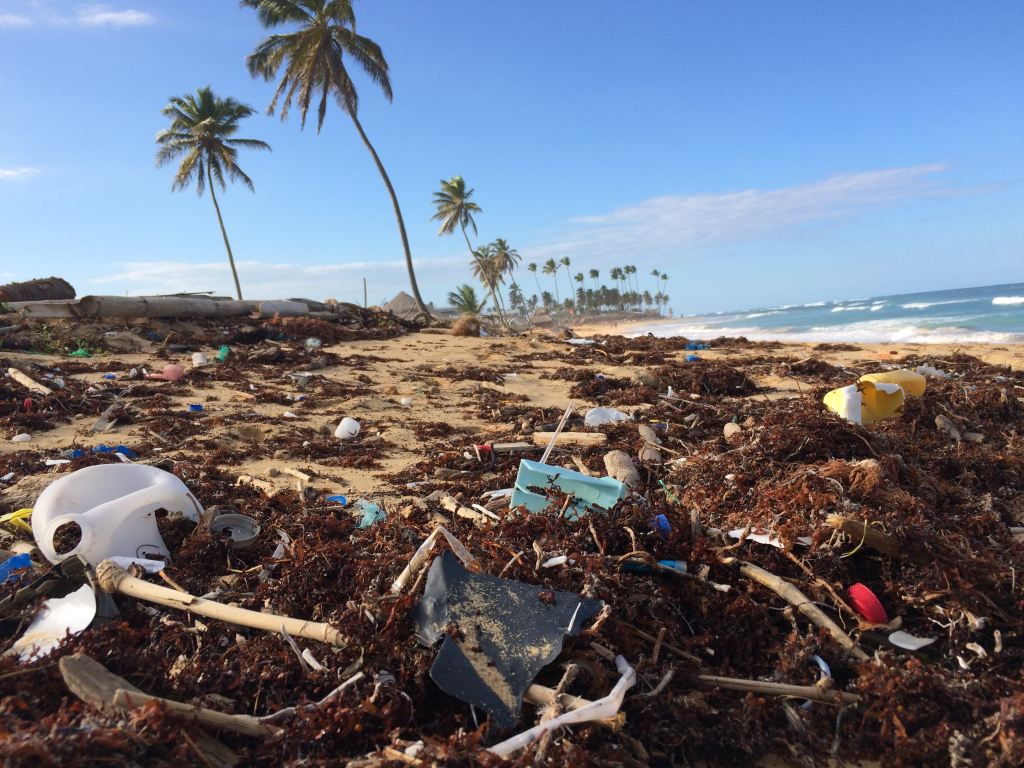
There are so many reasons to try to reduce the amount of waste we generate, but, if you focus only on one thing, it should be plastic. Plastic is in the clothes we wear, the carpets we walk on, and encases the food we eat. It is, quite literally, everywhere, even though it has only been around for a little over a hundred years. It can take centuries (yes, literally hundreds and hundreds of years) for plastic to break down. And at the rate we’re throwing it all away, the earth is running out of places to put it.
The truth about recycling
One of the most eye-opening pieces of information I learned early on in my sustainability journey is that only 9% of the plastic in the world actually gets recycled. This is partly due to the lack of demand for recycled plastic materials. It’s cheaper for companies to generate new plastic than it is to have plastic recycled into a new product. Another factor here is that the quality of recycled plastic decreases the more times it is recycled. Plastic can only be recycled 3-5 times before it’s destined for a landfill, whereas glass and aluminum can be recycled an infinite number of times while maintaining the same quality. For example, your laundry detergent jug can be recycled into a water bottle which can be recycled into a plastic bag which can be recycled into carpet fibers and then that plastic has reached the end of its life. But unless large corporations are willing to pay a premium to use recycled materials, waste management companies simply don’t have many options when it comes to the large volume of incoming plastic.
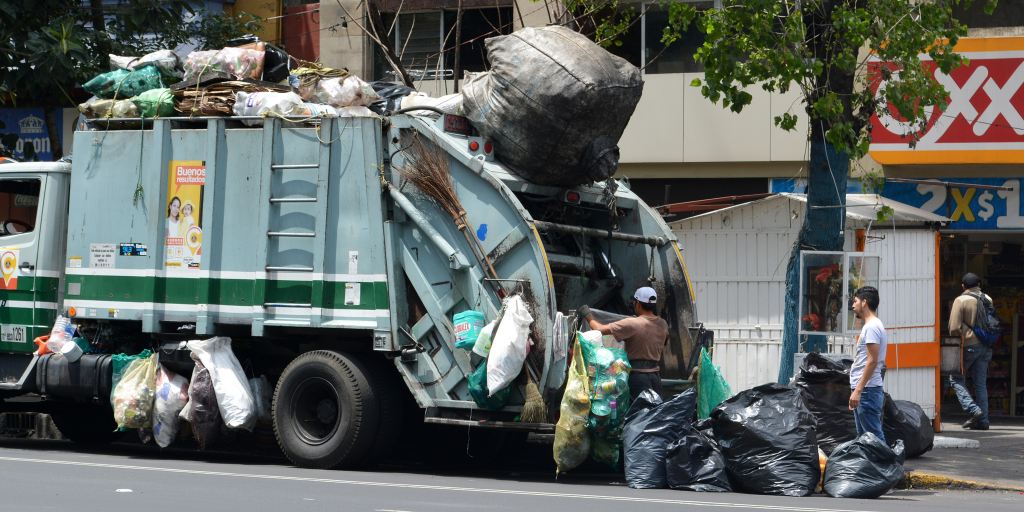
For this reason, only a few very specific kinds of plastic materials are able to be recycled in Nashville. Specifically, the only types of plastic that are accepted are bottles, jars, and jugs. That’s right, only plastic products that fall within those 3 categories are actually recycled. All other plastic should be placed in the trash to avoid slowing down the process of recycling those other items. If you are local to Nashville, I would encourage you to watch this Recycle Right Webinar which goes into detail about the process of recycling. Metro Nashville also has a Waste and Recycling app – the “waste wizard” function allows you to search for a type of product and it will tell you the proper way to dispose of it.
Another common misconception about recycling is that the little symbol printed on plastic materials with three arrows in the shape of a triangle means that item is recyclable. We have come to universally understand this symbol to mean an item is recyclable but that is often not the case. When printed on plastic with a number in the center, the only thing that symbol indicates is the type of material the product is made out of. It has nothing to do with its recyclability and you should always check local recycling regulations before disposing.
Why is plastic so terrible?
Since plastic obviously serves our society many purposes, why is it so terrible? Because of the sheer volume we create, there aren’t enough places to put it. When in close proximity to waterways, the waste will eventually end up in the ocean where it takes hundreds of years to break down, becoming microplastics, and ends up being consumed by wildlife. As plastic breaks down, whether it be in the ocean or a landfill, it releases greenhouse gas emissions, which, as we know, contribute to global warming.
To help me explain why I care so much about plastic, and why it truly is a HUGE problem we should all care about, I am going to defer to the book “How To Give Up Plastic” by Will McCallum, Head of Oceans, Greenpeace UK. I bought this book at a secondhand bookstore and some of the facts inside it were enough kickstart some serious changes in my life.

“90 per cent of seabirds have plastic in their stomachs”
Photo by Tim Mossholder on Unsplash
“The International Union for Conservation of Nature estimated that between 15 per cent and 31 per cent of all plastic pollution comes from microplastics.”

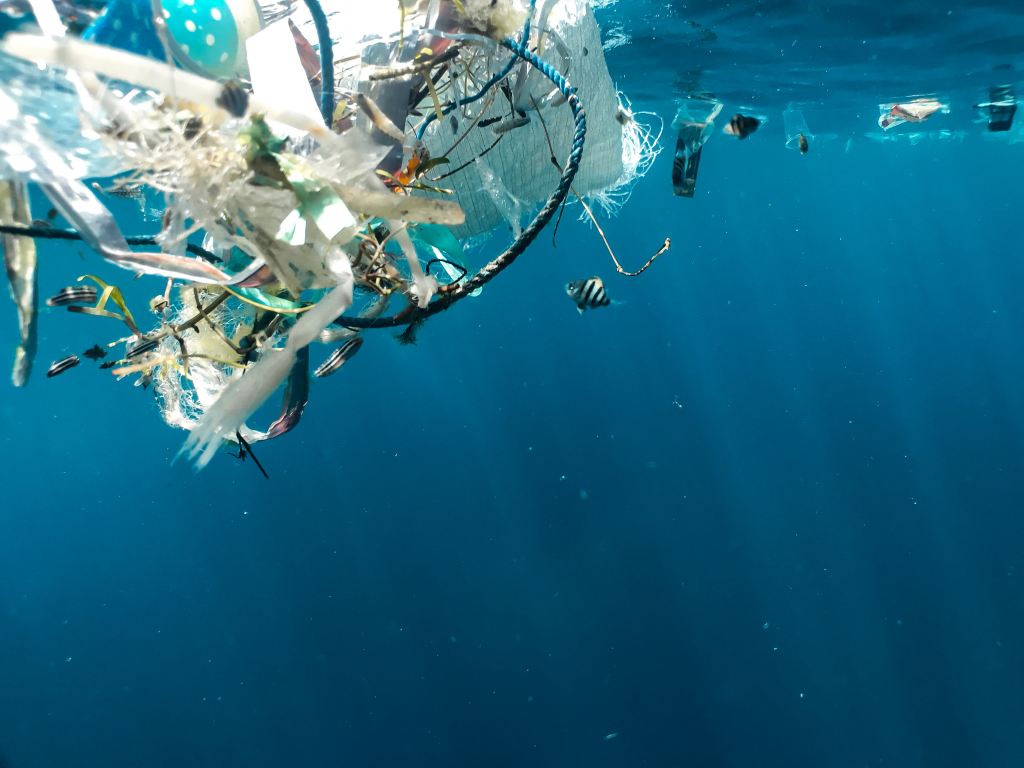
“One [garbage] truck of plastic enters the ocean every minute” for a total of “12.7 million tons of plastic entering the ocean every year”
Photo by Naja Bertolt Jensen on Unsplash
I could go on and on about the damage plastic is doing to the world, it’s something I care very much about. But suffice it to say, the plastic of the world has to end up somewhere, and it’s ending up in our waterways and oceans, even in the most remote places of the globe, severely impacting wildlife and emitting toxins into the air.
How you can help
The first thing we can do is to make changes in our own lives. To quote my bud Will McCallum again, “every victory against plastic begins with a single person or a small group of people deciding that the time to take action is now.” Start by paying attention to the plastic in your life – where do you see it the most? Plastic is built for convenience so simply taking a few extra minutes every day to plan ahead can save multiple plastic items from being thrown away every day.
Some of the most simple and cost-effective ways I put this into practice in my own life include:
- Use reusable tote bags for shopping rather than plastic bags.
- Eradicate plastic bottles from your life in favor of reusable bottles.
- Bring your own coffee tumbler to a coffee shop (some even give a small discount for doing this!) or bring your own takeout container to a restaurant.
- Try bringing your lunch to work more often than not.
- Choose metal/glass packaging over plastic.
- Use refill shops (my Nashville favorite are Turnip Truck and The Good Fill) to purchase dry goods and home products.
- Upcycle plastic materials by using them for something else (or reusing them for the same purpose) as many times as possible before disposing.
The other thing we can do is to spread the word and encourage the people around us to adopt similar practices. That is ultimately the reason I started this blog. The topics here are things that I feel very passionately about and if I can encourage just a few other people to do the same, I will consider it a success.

 Sustain-a-ville
Leave a comment