
It’s that time of year! Halloween is coming up in less than two weeks. For many, this time of a year is a favorite and, admittedly, I am a fall girlie at heart. So this seems like as good of a time as any to talk about this holiday and how we can participate more sustainably.


Halloween Costumes
I absolutely love seeing the thought and creativity that people put into costumes. It’s a fun form of self-expression for people of all ages. But similar to the way that fast fashion is terrible for the environment, cheap, store-bought costumes are also contributing to the problem. They are often made of synthetic materials and used once before they get thrown away. Not all of us can be crafty, sewing machine wizards (shout out to my mom who hand made my Halloween costumes every year when I was young) but hand-made costumes are more cost-effective and also better for the environment. This is because they don’t come wrapped in plastic packaging and aren’t made from synthetic materials. And you also don’t have to question the labor practices of the company who made them!
Another eco-friendly way to put your Halloween costume together is by shopping at thrift stores. Some stores even have a costume section where you could buy someone else’s store-bought costume from last year. If that’s not what you had in mind, try thrifting each piece of the costume and putting it together yourself. And, when the day is over, you can either keep those items to use another time or donate them back to the thrift store.

Tricks and Treats
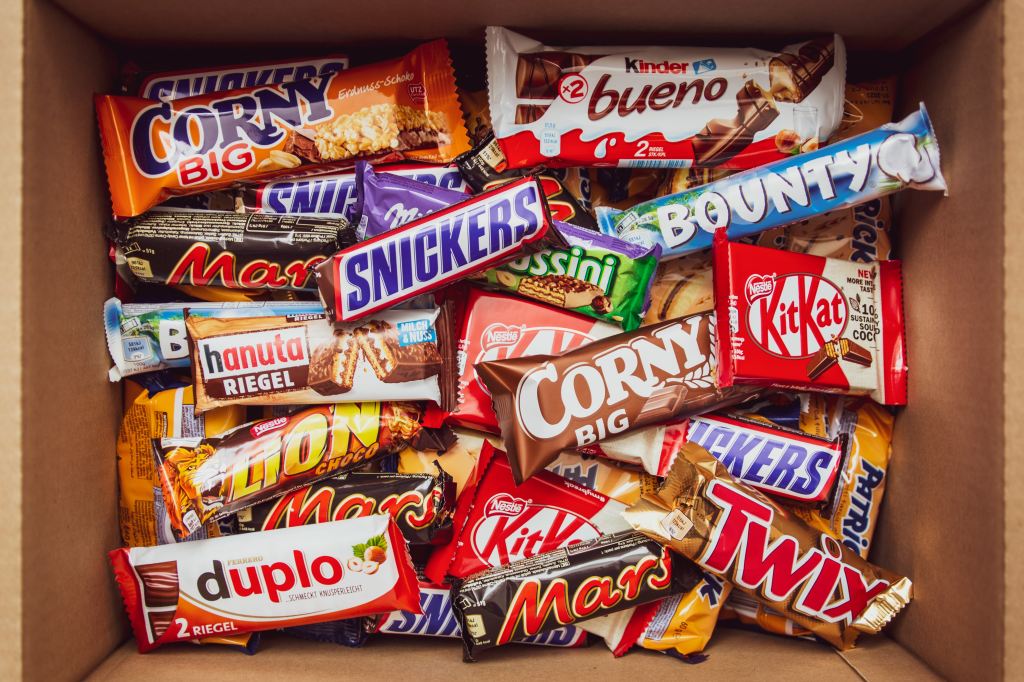
In the United States, we collectively spend $2 billion a year on candy just for Halloween. That’s 600 million pounds of candy. And the wrappers for all that candy are usually made out of a combination of plastic and aluminum, making it almost impossible to recycle (although not completely impossible!)
For understandable safety reasons, most parents are no longer willing to let their children accept homemade treats while trick-or-treating. So what can we do about it? Well, there are two ways that you can be a more eco-friendly neighborhood distributor of Halloween candy. First, consider buying candy that comes in boxes vs plastic packaging (think Nerds, Milk Duds, and Junior Mints). The other thing you can do is collect all your used wrappers, and put them in a TerraCycle box. You can buy your own box for your home at www.terracycle.com. They do cost money so consider involving others in your community and see if your neighbors will go in on the cost with you. If the cost of purchasing your own box is too prohibitive, seek out a local environmentally friendly store and see if they have a box you can contribute to. In Nashville, Sage Refill Market has partnered with Rubicon to accept candy wrappers for recycling.
Festivities and Decorations
Did you know that 1.3 billion pounds of pumpkins are sent to landfills each year? And what’s even worse about pumpkin waste compared to candy is that pumpkins are entirely natural and edible! So after you carve your pumpkin or set them on your porch for decoration, consider cooking it up or, at the very least, throw it in your compost to avoid creating more landfill waste.
In terms of other Halloween festivities, parties, etc, all I can say is to avoid plastic as much as possible. For commercialized holidays like Halloween, there is no shortage of cheap decorations available. For example, instead of buying plastic leaf decorations, make your decorations out of real leaves from outside. And if you do buy decorations made out of plastic, keep them and reuse them year after year. The Halloween season doesn’t last very long so chances are good the items you buy will last for a long time.
The moral of the story here is that commercialized holidays can be fun and festive and give us an opportunity to express ourselves creatively. Just make sure you are also thinking about the end of life of all the products you buy and try to use natural materials (and at the very least, recyclable ones) whenever possible!


 Sustain-a-ville
Leave a comment