
Like we’ve talked about in previous posts, the majority of the waste we generate at home comes from the kitchen. This is in form of both food waste but also the packaging it comes in. We have also discussed that, depending on where you are located, potentially only very limited types of plastic can be recycled. In Nashville, only plastic items that can be classified as bottles, jars, and jugs can be recycled. This leaves so many food containers destined for the landfill.

When I started my low-waste journey, grocery shopping was maybe the most daunting and frustrating area I knew I needed to make some changes. The types of foods we eat are habitual – we get in the habit of buying the same things every week and cooking the same few recipes over and over again. I’m guilty of that myself and I don’t necessarily think it’s a bad thing, but it does make it difficult to adapt your grocery shopping practices when the things you buy regularly come wrapped in plastic that can’t be recycled.
For example, I have always LOVED Trader Joe’s. They offer fun plant-based options and are relatively inexpensive. I have only recently (within the last year) tried to start eating mostly plant-based but when I met my now husband almost 4 years ago, he was mostly vegan. My mom has also practiced vegetarianism and veganism throughout my childhood. So even though my plant-based journey has started only recently, having tasty plant-based options has always been important to me. But when I started to look at the packaging my food was coming in, I had to re-think my weekly trips to Trader Joe’s. Almost everything, including much of their produce, comes wrapped in plastic that can’t be recycled here in Nashville. And this is true of so many food items offered in all grocery stores.

So what can we do about it? Here are 6 ways you can reduce the amount of waste generated while grocery shopping:
- Bring your own bags
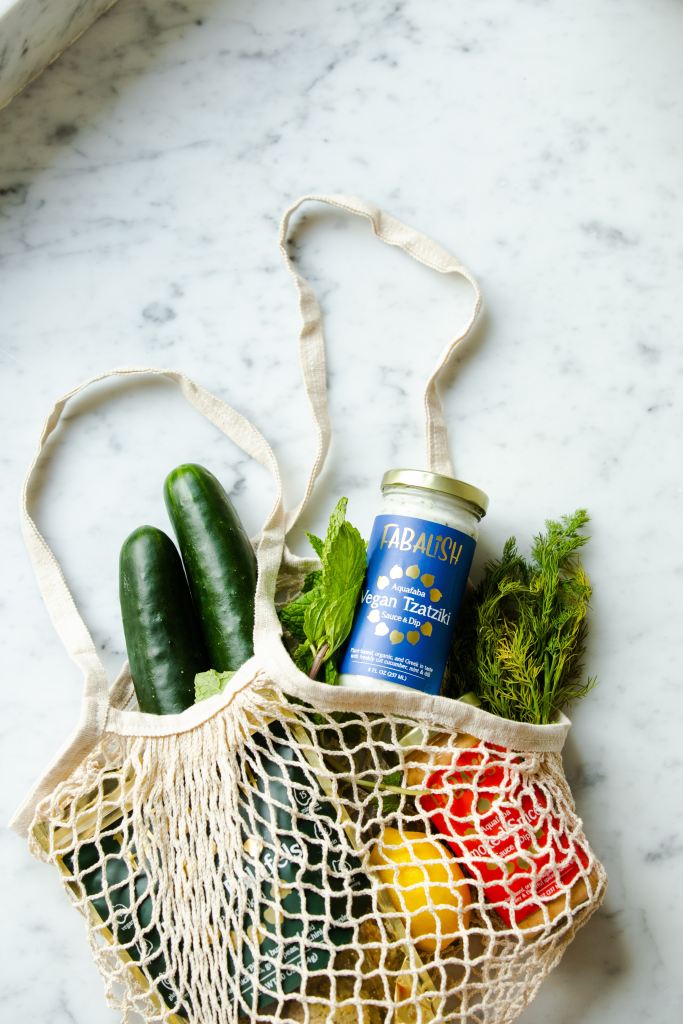
- This seems like such a simple thing but I still see the majority of other grocery shoppers using the single-use plastic bags offered by the grocery stores. Investing in just a few tote bags to take with you while you shop can make an awesome impact, especially since plastic grocery bags are usually only single-use and very difficult to recycle. This goes for produce bags as well – instead of the ones provided by the store, try either not using one at all and washing your produce when you get home or purchasing reusable cotton produce bags, like these!
- Try incorporating more plants in your diet
- The thing about plastic packaging is, it almost always comes with processed foods. I have vowed to never be one of those plant-based eaters who’s always trying to convert other people into changing their diet, but eating more plants truly is better for both you and the environment!
- When possible, buy in bulk
- When you do buy foods that come in plastic, buy the biggest container you can (within reason of course, don’t buy a bigger container only to create food waste because you couldn’t eat it all before it goes bad). This might seem counter intuitive because a bigger container might look like more packaging. But the truth is, one big container creates less waste than a bunch of little containers. So go for bulk and portion it out yourself!
- Hit up your local refill store
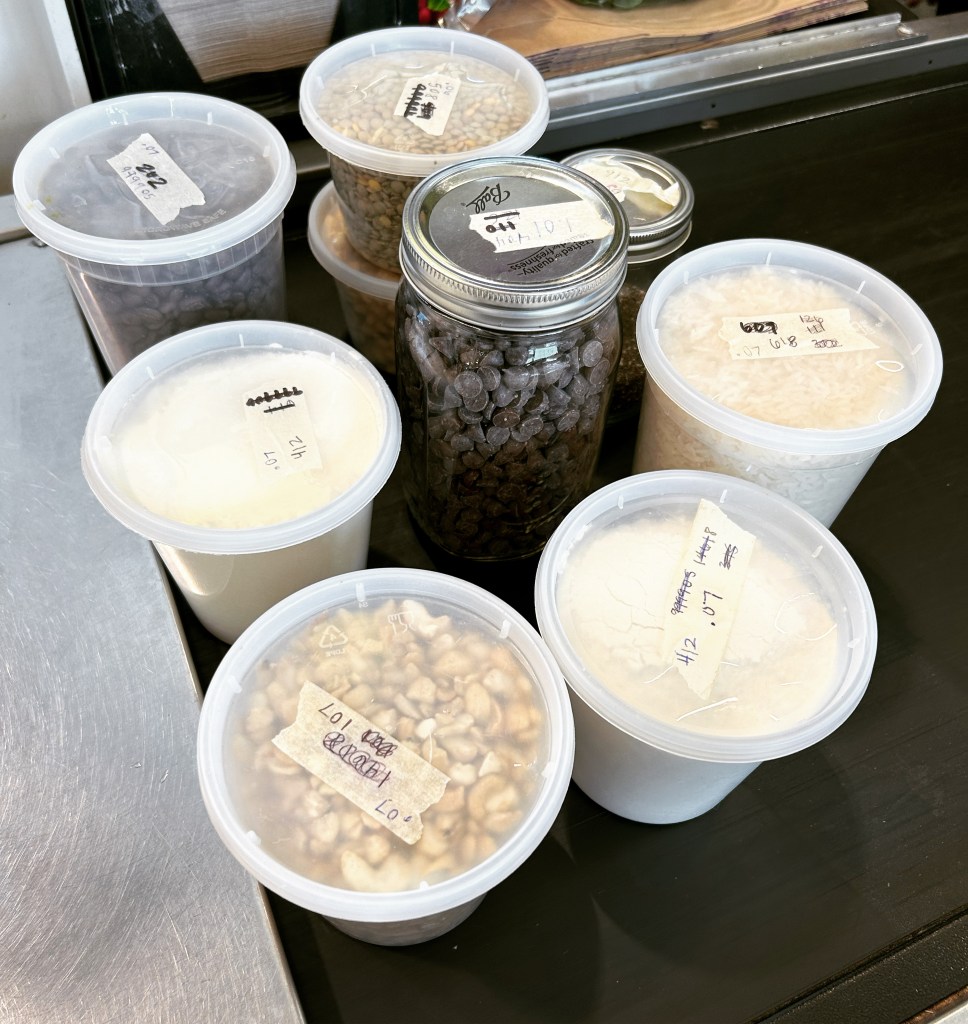
- This is one that was new to me when I started my low-waste journey. I had no idea there were stores where you could bring your own container to fill up with food. I am now a frequent shopper at The Turnip Truck, which offers this option for things like grains, nuts, seeds, dry beans, and spices. So far, this is the only one I’ve found locally that offers this option.
- Opt for metal, glass, or paper packaging
- For some items, there are enough options on the shelf that you can choose what kind of packaging your food comes in. A couple great examples of this for items I buy regularly are peanut butter and salsa – both can be purchased in plastic but the stores where I shop have options in glass containers as well. And then when I’m done with them, I can clean them out and upcycle the glass jars instead of throwing away plastic.
- Be prepared
- So much about reducing waste is about having a plan. By planning ahead when I will grocery shop, I don’t forget my reusable bags. And by creating a shopping list ahead of time, I reduce the food waste in our house because I know how I plan to use all the things I am going to by.
Whether you choose to adapt to some, or all, of these options, you should be proud of the progress you’ve made. For me, there are still items that I have decided I can’t live without at the grocery store and have to buy in plastic. But it’s all about low-waste! In the world we live in, zero-waste is nearly impossible. Any way you can make some adjustments to reduce some waste heading for the landfill is a win in my book.

 Sustain-a-ville
Leave a comment