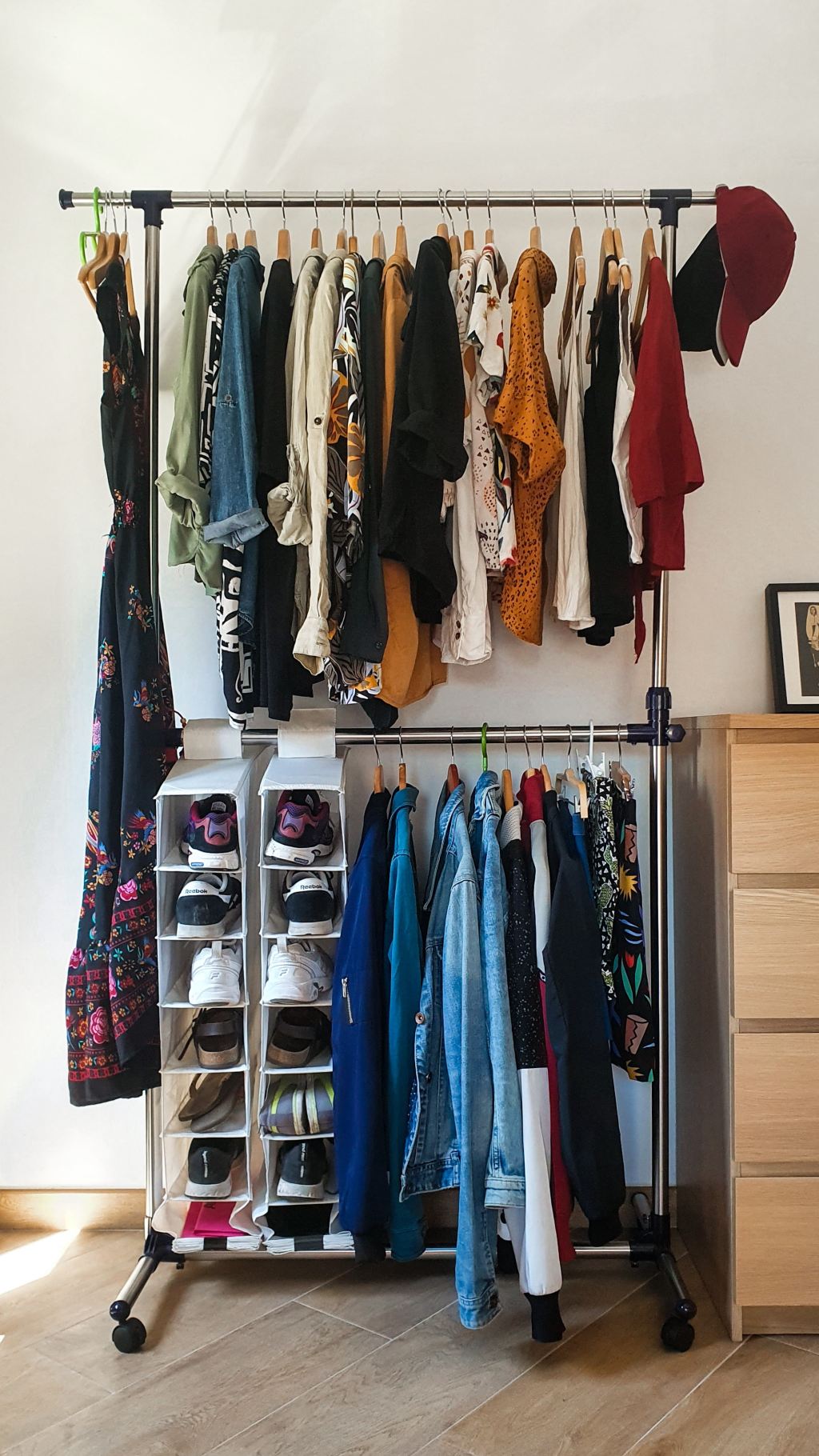
By now we probably all know that fast-fashion is no friend to the earth. And no judgement here if you’ve fallen for the crazy low prices that some companies advertise – I have certainly been there. When you’re on a budget, getting a brand new wardrobe seems almost too good to be true. But the reality is that fast-fashion is designed to be thrown away. It often represents whatever the “current style” is and isn’t a high enough quality to last much longer past that fad anyway. The only way that those companies can sell their clothes for such low prices is by not paying their workers fairly (if at all).
In my younger years, I cared a lot about having the “it” clothing item or brand. It felt like a status symbol. But the reality is that fashion is completely made up. It’s not up to anyone else but you to decide on your own personal style. Are skinny jeans out or are they in this year? Honestly… who cares? I do think fashion is a form of art and choosing which clothes you wear can be a form of creative self expression so I’m not trying to convince you to wear any old thing. But figuring out the colors, patterns, and fabrics that suit you the most will help you in many ways. If the clothes you wear are comfortable for you and represent your own personal style, then keep wearing them no matter what the fashion magazines say.
Buy used
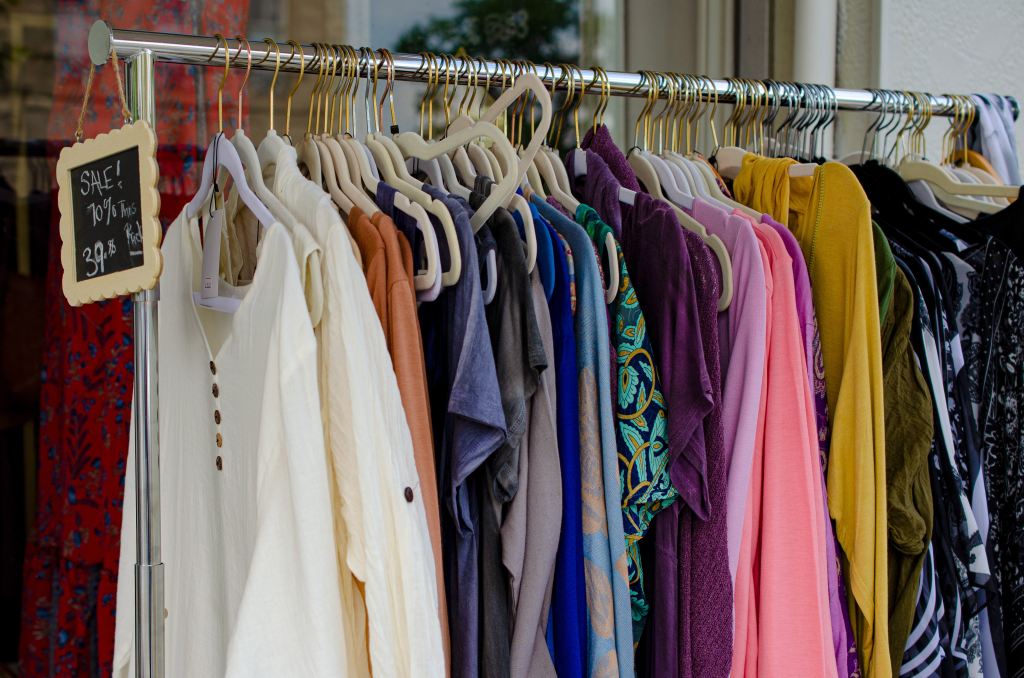
Generally speaking, the clothes that already exist in the world are the best ones to buy. Consumerism and capitalism tell us that buying more new things will make us happy. For some, thrifting can seem daunting. Many people shop for the experience and strongly prefer the department store atmosphere over the dingy fluorescent lights of the local thrift store. So try to think of shopping as filling a need. And not the need for dopamine. So many of us use shopping as an outlet for the short term happiness it brings us and the store experience is all apart of that. But if you only go shopping when there is something you actually need (think of it like grocery shopping) then it might change your mindset on the entire clothes shopping experience.
Opt for natural materials
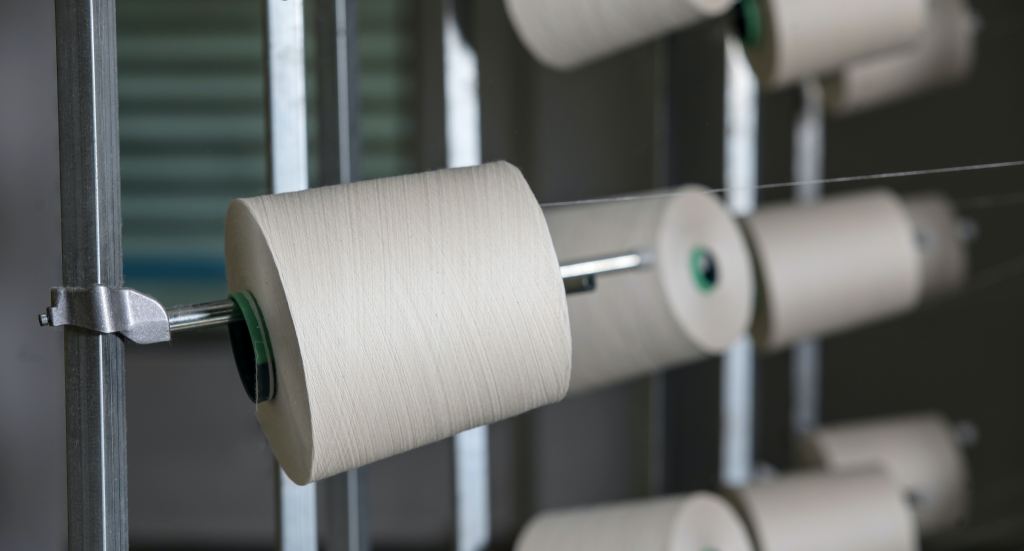
It’s not always possible to buy every new addition to your wardrobe from a second-hand store. When that is the case, the next best option is to buy items from a company who is transparent about their sustainability practices and uses only natural materials. You will probably find that these companies charge more for their products and the reason is that there is a cost of doing business the right way. Sourcing materials in a way that minimally impacts the earth and paying workers a fair wage are all costs that eventually get passed on to the consumer. But hopefully when balanced out with the items you can find at the thrift store, the cost of the few things you do buy new will feel worth it.
Whether you’re buying new or from a thrift store, it’s always best to look at the tag and opt for clothing made out of cotton, linen, hemp, or bamboo whenever possible. When you wash your clothes made of synthetic materials like nylon, polyester, and rayon, tiny little microplastic particles end up in the water supply which all eventually leads back to our oceans. Current estimations say that 35% of the microplastic pollution in the ocean is from the textile industry and washing our synthetic clothing is a major contributor to that problem.
Wash less
One way to offset the microplastic pollution mentioned above is to simply wash your clothes less. Go based off of look and smell – if your clothes aren’t visibly dirty and still smell fresh then you can put them right back in the dresser or closet for another wear before sending them to the washing machine. Washing less makes our clothes last longer and also eliminates the microplastics from those washes entering the ocean.
The washing less rule is also a great tactic for saving money and the earth together if you own any items that require dry cleaning. Most dry cleaners use toxic chemicals to get your clothes clean so by getting a few extra wears in before taking them to the cleaners, you are saving some money for yourself and also preventing as many chemicals from being used.
Keep it organized and minimize
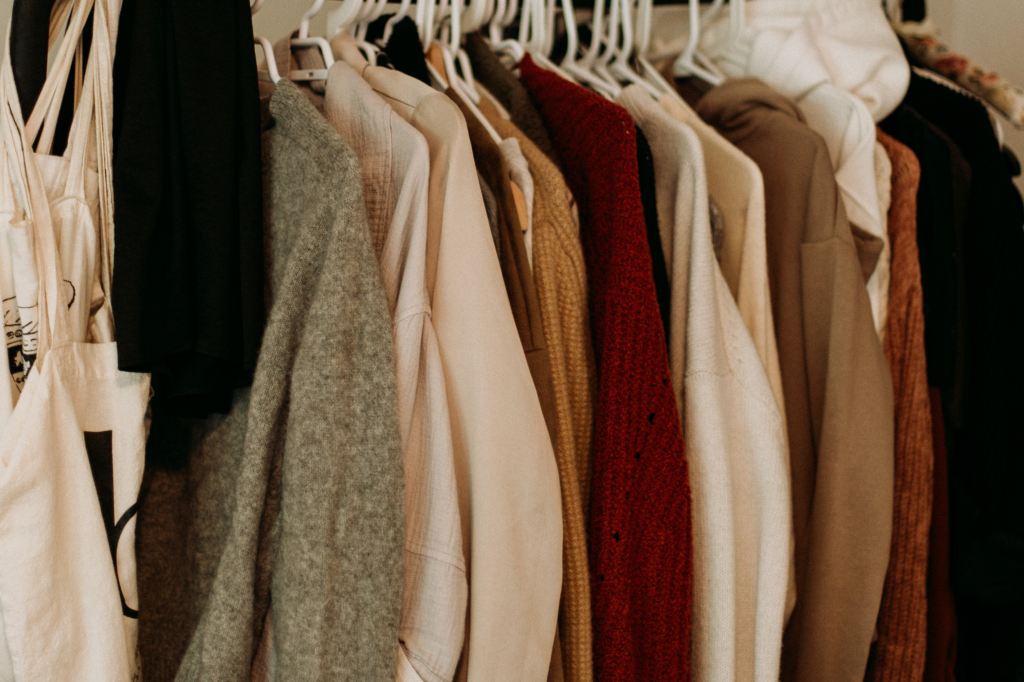
When we aren’t able to clearly see all the clothing items we own, it’s easy to forget what we already have and buy something similar. Keeping our closets and dressers organized is another great (and free!) way to help save the earth. And chances are, if you’re struggling to keep your clothing storage areas neat, you have too many things anyway! How many clothes do we actually really need? Well that depends on what your lifestyle looks like. What you do for work, how you spend your free time, and what kind of climate you live in factor heavily in the kinds of clothes you need. I do know that most people in our society could probably do with a good closet clean out.
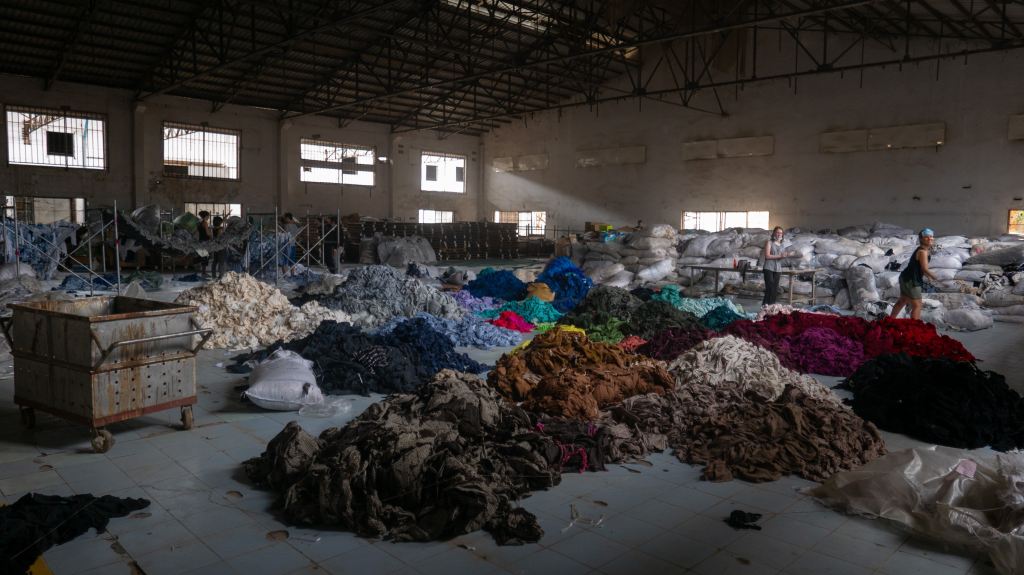
Cleaning out my closet (and the rest of my home, too) is a therapeutic process for me. I especially love to tackle it around this time of year when we’re about to get a fresh, brand new start in a new year. Heading into a new year without the baggage of extra stuff in my life feels so good to me. If you tackle this project for yourself, focus on getting rid of the clothes that you haven’t worn in the last 6 months – if a sweater has gone through an entire winter without being chosen, it’s probably time for it to go. Another thing to consider is any duplicates in your closet. If you have two things that are very similar to each other (say two black cardigans for example) and they serve the same purpose, you probably favor one over the other. Time to get rid of the lesser duplicate.
Fix, swap, or donate
When it is time to get rid of an item from your wardrobe, try doing one of these three things before sending to a landfill: fix, swap, or donate. If the item you’re considering offloading is in the get-rid-of pile because it has a hole, loose seam, or no longer fits quite right, considering fixing/altering it. If this isn’t a skill you have (and you have no interest in learning) take it to a professional. This will breathe new life into an already well-loved article of clothing.
When you’re ready to get rid of something that isn’t totally past it’s prime but just isn’t working for you anymore, try hosting a clothing swap with some friends. This is something I love to do every six months or so – it’s a free way to get rid of the things you don’t wear anymore and maybe add some new pieces to your collection in exchange. And when the swap is over, designate someone to make a trip to the donation center the next day. Whether that’s at a local shelter or Goodwill, give the items you and your friends no longer want another life with someone else.
On the journey to low-waste, it’s important to consider all aspects of our homes. Since fast-fashion companies don’t seem to be losing any steam, it’s on us at the consumer to vote with our wallets and not give them another cent of our money. Support businesses whose values align with your own by buying the products they have to offer but only when you are in need of something new! Excessive shopping and consumerism isn’t the option here either.

 Sustain-a-ville
Leave a comment