
One of my resolutions in the new year is to expand my sustainability practices to include water conservation. For people that live in an area that has an abundance of clean water, it’s easy to forget that it is a scarce resource in other parts of the world. Although 70% of the earth is covered in water, only 3% of that is fresh water and actually available for the use of the plants and animals that need it. And even where it’s close by, fresh water is not directly available in all places where we need it so we have to build infrastructure and use energy to make it readily available whenever we turn on our faucet.
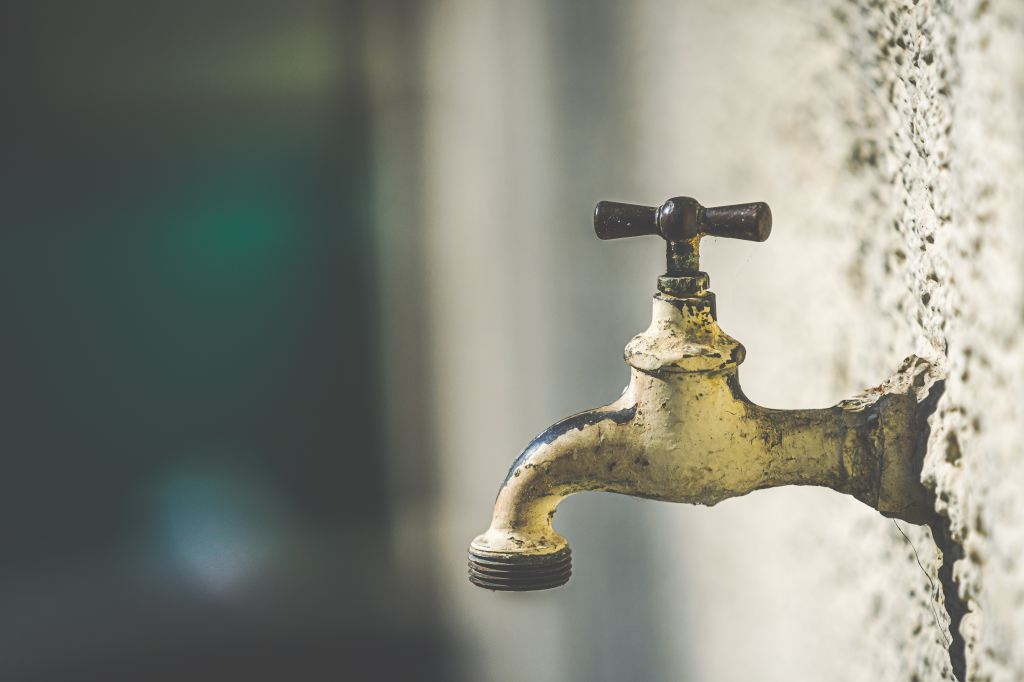
Here are some ways to consider conserving water:
1. Take shorter showers
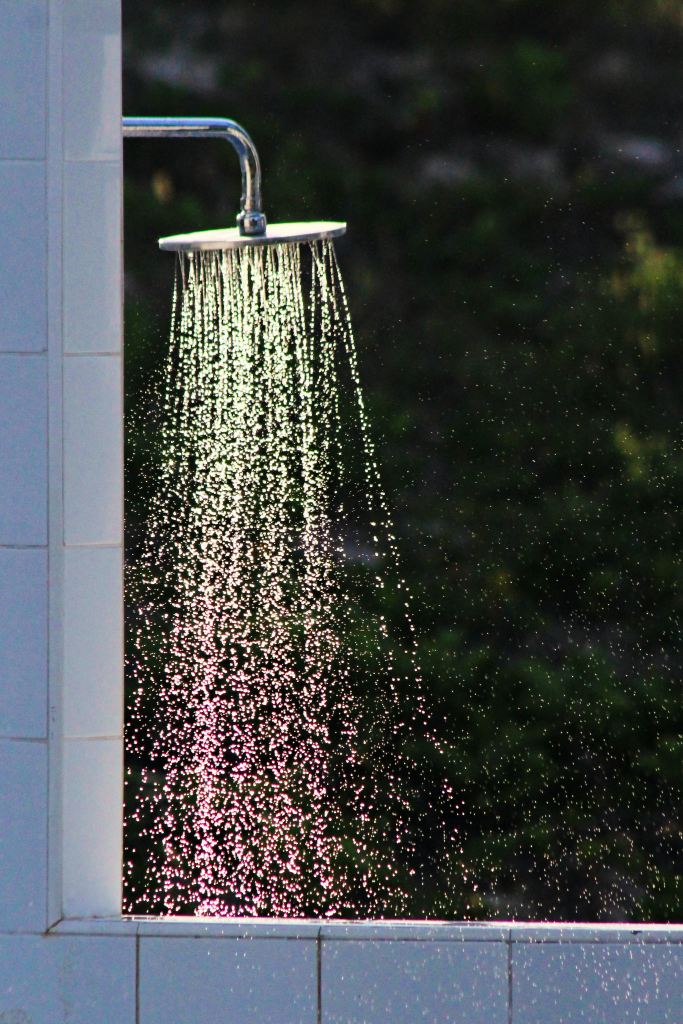
I’m probably more guilty of this than most – I absolutely LOVE a long, hot shower. And this doesn’t mean you can’t still enjoy your shower, but next time you do, time yourself. Take your time as you normally would and see how much time that is. Then make yourself a goal to reduce that time by 25% the next time you shower.
2. Wash your clothes less
If you read my post about eco-friendly clothing tips, you know that the washing machine is where millions of tiny microplastics enter our drainage systems and end up in the ocean. To avoid some of this problem and simultaneously save on your water bill, try wearing your clothes one more time between washes. If they look or smell like they are ready to be washed, throw them in. But if you can’t even tell it was worn already, give it another wear!
3. Install a rain barrel (or two or three!)
How often do you use the hose in your yard? If you live in a house, chances are pretty good that you need the hose to water your grass or garden. Try installing a rain barrel and hook the hose up to that instead of your home’s water supply. Rain barrels capture the rainwater that falls on your roof through your gutter system. In between rains you can use that water to take care of your yard.

4. Take advantage of “grey water”
Grey water is technically “used” water that doesn’t contain anything toxic. This would mean harnessing used water from the washing machine, sinks, dishwasher etc. Not all municipalities allow for the true capture of grey water but there are other easy ways to reduce waste! Try placing a bucket in your shower and a pitcher next to the sink – next time you need hot water, put that vessel under the spout while you wait for the warm water to reach you. Then you can use that captured water later instead of turning the faucet back on.
5. Landscape with native plants
There are so, so, SO many benefits to choosing only native plants in your home’s landscape and one of them is that they don’t need to be watered nearly as much as non-native plants (if at all!) Native plants were designed to thrive in the climate where you live and should be able to live off of only enough water provided by rainfall.
6. Use your dishwasher
Dishwashers are actually much more efficient than washing by hand. If you don’t own a dishwasher, just make sure you turn the water off between dishes as you hand wash or try filling the sink with water so you don’t have to run the faucet the whole time you clean.
7. Install a water-saving toilet
This is another great home installation idea. It may not be financially feasible for everyone but if it’s an option for you, try installing (or hire someone else to install) a water-conserving toilet in your home. These toilets use more/less water depending on what you tell it so easy-to-flush items use much less!
8. Conserve while you brush
This may seem obvious, but you would be surprised how many people keep the water running while they brush their teeth. If we are following the dentists’ recommendations, we should be brushing for approximately 2 minutes twice per day. Think of all the water you can save over your lifetime by turning the faucet off for those 2 minutes!

9. Rethink that backyard swimming pool
The ultimate goal and sign of luxury – a swimming pool in our very own yard! While appealing, these use (and waste) quite a lot of water. And since the water is typically treated with chemicals, it’s not water that is good for our yard or plants when it inevitably splashes over the side. If you still aren’t convinced, consider opting for a smaller version that uses less water.
Whether you are able to employ all of these options or only some, you should celebrate yourself for taking some steps in the right direction! The earth will thank you for conserving one of our most valuable (and necessary) resources.

 Sustain-a-ville
Leave a comment