
One of the single most effective ways an individual can make an impact on climate change is by reducing consumption of animal products. The first question I am usually asked about when discussing a plant-based diet is “how do you get enough protein if you aren’t eating meat?” Protein is, of course, a vital aspect of a well-rounded diet so it’s absolutely an important factor to consider if you’re thinking about reducing your meat intake. What many people don’t know, however, is that all protein is derived from plants. Where do you think cows, chickens, and pigs get their protein from? That’s right, plants.
Personally, I also don’t prefer the highly processed soy-based meat alternatives. We only consume “fake meat” sparingly at our house. Because these items are so highly processed, not only are they not very good for you but they also still require energy and water to create – factors we are trying to reduce by cutting out meat.
Consider supplementing or replacing animal protein with these high-protein, completely plant-based alternatives.
1. Lentils (18g)
Lentils are packed with plant-based protein. Each serving (about 1 cup of cooked lentils) contains 18g of protein. This little legume also contains high amounts of fiber and other vitamins/minerals such as folate, iron, and antioxidants.
2. Quinoa (8-9g)

Since quinoa is often considered to be part of the grain family, some people may be surprised that quinoa is such a good source of protein. Similarly, amaranth falls into this category of pseudocereals, or foods in a grain-adjacent family that don’t actually come from grass but from a flowering plant. Both amaranth and quinoa can contain up to 9g of protein per cooked cup.
3. Soybean products (12-20g)
Tofu, along with other soybean-based products such as tempeh and edamame, are a great source of protein plus many other vitamins and minerals.
The downside to products like tofu and tempeh is that they are highly processed. As with anything, the best version of any food is when it is closest to its natural state.
4. Chia seeds (5g)

Chia seeds, while a decent source of protein, are even more packed with fiber. They also have many other beneficial factors including their omega-3 fatty acids, iron, calcium, and antioxidants. 2 tablespoons of chia seeds contain not quite 5g of protein. So, while maybe not the perfect replacement for other protein sources, with all the other added benefits it’s a great addition to things like oatmeal or an acai bowl where you’re probably including other protein-rich foods as well.
5. Nuts and nut butters (5-7g)
I was actually surprised to learn about this one. I expected nuts and seeds to be one of the highest sources of proteins and often drop a dollop of nut butter in my smoothies as a source of protein in place of protein powder, thinking it was comparable. However, like all the other plant-based proteins we’ve talked about, the protein content isn’t the only reason to consume nuts. Most contain various vitamins and minerals and are a great source of healthy fats.
6. Beans (15g)

With up to 15g of protein per cooked cup, combined with their versatility in cooking, beans are an excellent source of protein. It’s rare that I go a day without eating one type of bean or another – black beans and chick peas (or garbanzo beans) are my two favorites!
7. Spirulina (4g)
Spirulina is another perfect example of nature providing everything we need in terms of nutrition. It’s an algae not just packed with protein (4g per tablespoon) but so many other nutrients as well. According to this Healthline article, it could also be effective at reducing many different health risks. I love adding a scoop or two to a morning smoothie!
8. Oats (5g)
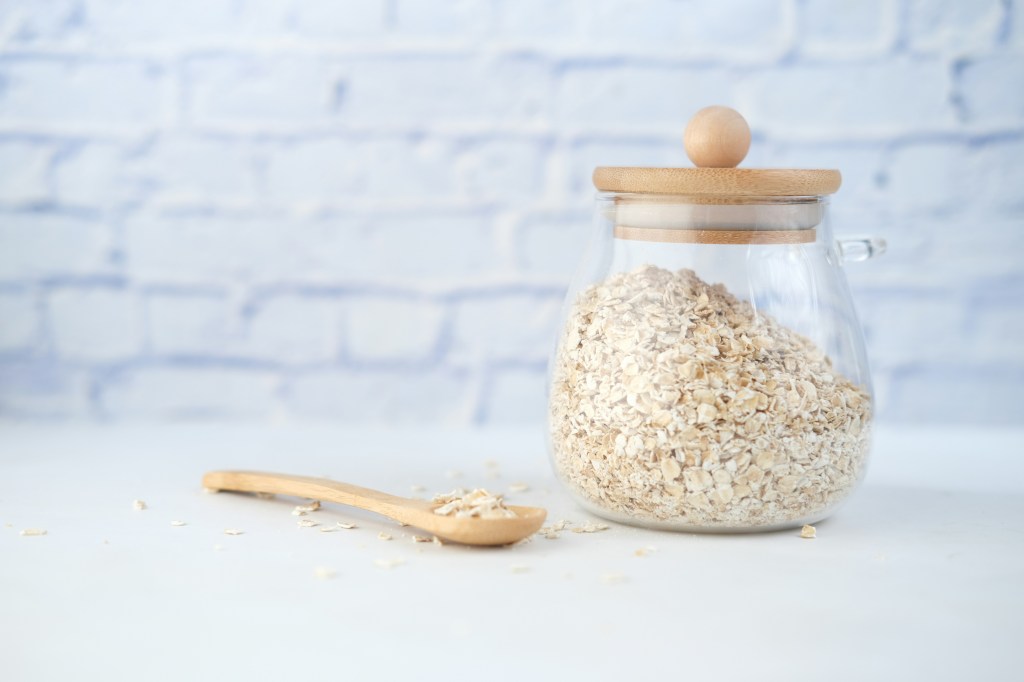
With about 5g pf protein per serving, oatmeal is a better source of protein than most other grains. It also contains about 4g of fiber and I love using it as a vehicle for adding even more protein and nutrients into a healthy breakfast. Throw some chia seeds, nut butter, raw honey, and fruit on top and you are good to go!
9. Fruits and vegetables (2-9g)
Many people are shocked to find out that fruits and vegetables can actually be a great source of protein. Particularly vegetables like leafy greens and cruciferous veggies along with fruits such as berries and bananas. Peas, which are *technically* not a vegetable (they’re a legume) but will always be a veggie in my mind, have up to 9g of protein per serving. When compared with other plant-based protein sources, as low as 2g of protein for many vegetables and fruits may not seem like a lot per serving but, given all the other heath benefits that come from a diet rich in fruits and vegetables, they are an essential part of every meal.
Whether you’re considering going all in on a plant-based diet or just cutting out meat bit by bit or one day a week, these plant-based protein alternatives should give you a great place to start. You might find that a meal full of nothing but plants can be surprisingly satisfying!

 Sustain-a-ville
Leave a comment