My own personal journey on the road to low waste started with composting, so it seems fitting to start here. I would like to acknowledge that, if you found yourself reading this blog, it’s likely you already have a basic understanding of some sustainable practices. I’m still going to cover the basics because you never know what you might learn!
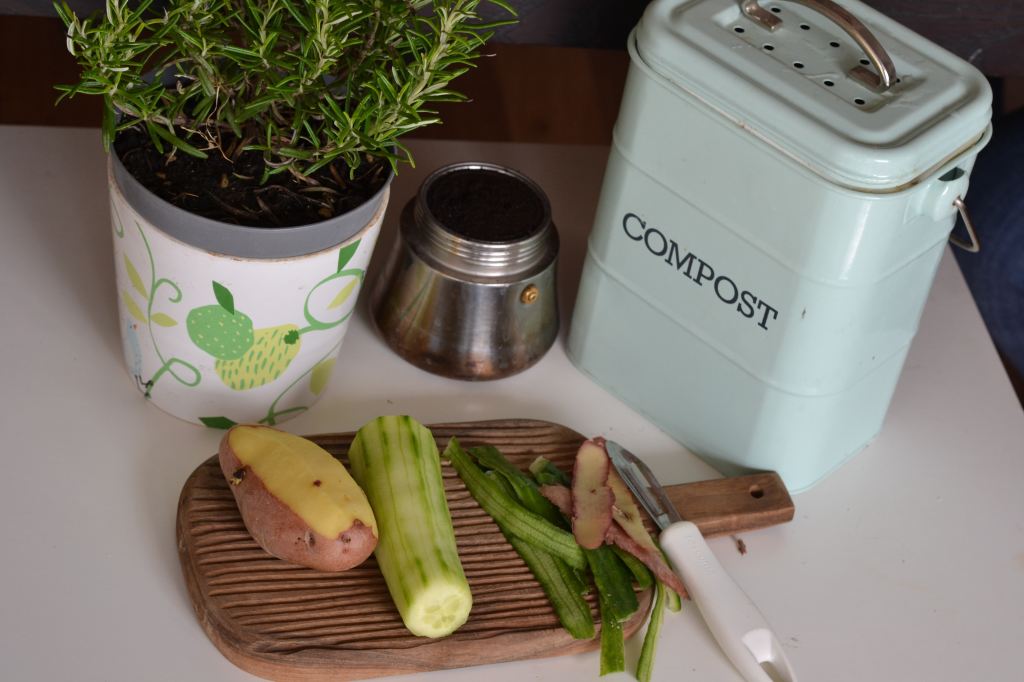
Photo by Lenka Dzurendova on Unsplash
What is composting?
Composting is a process where organic matter decomposes into a fertilizer which can then be used to enrich soil. Organic matter includes anything made of natural material such as food scraps, paper and cardboard, plant materials, and textiles made of cotton, silk, and other natural fibers. (Check out this list of items that can and can’t be composted.) According to the FDA, the amount of food that gets wasted in the United States is between 30-40% of the total food supply, or 133 billion pounds. Think about the items that you throw away on a daily basis – are banana peels, apple cores, and egg shells on that list? The kitchen is probably the room in our home where we create the most waste and, by composting, you could be saving all of these items, and so much more, from the landfill.
Compost vs Landfill
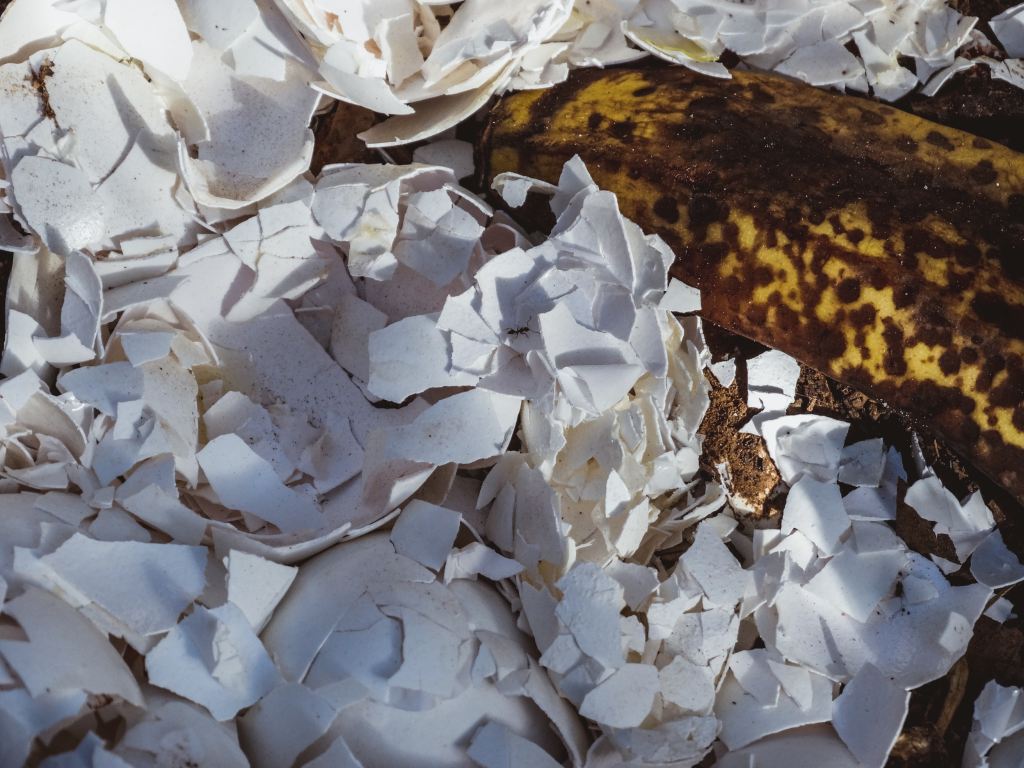
A common misconception about composting is, is if you place organic material in the trash, it will eventually break down in the landfill just like it would in a compost. This is actually not correct. Organic materials placed in landfills are just as harmful as non-organic waste. This is because landfills don’t have the right combination of carbon/nitrogen and moisture/heat required to break down the way compost would. This means that your banana peels, apple cores, and eggs shells that get placed in the trash are creating methane and contributing to greenhouse gasses just like everything else in the landfill.


So how do I start?
In order to properly decompose into fertilizer, the compost pile needs both nitrogen and carbon. Nitrogen-rich compost items include kitchen waste and “green” items like grass clippings whereas carbon-rich items include “brown” items like dried yard waste and cardboard. It also needs moisture, heat, and airflow. If you’re new to composting, there are many options depending on your living situation and how much effort you plan to give your compost.
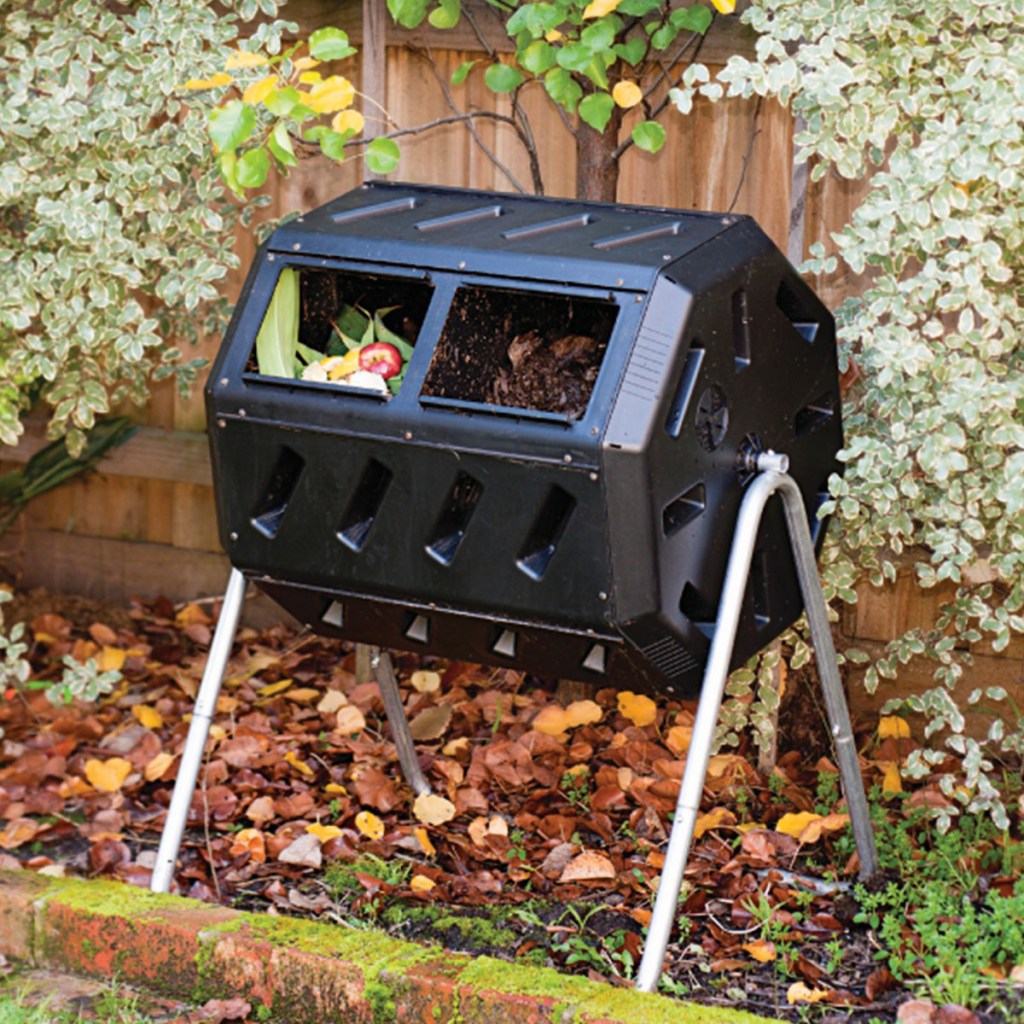
- Build a compost pile | If you live in a home with a yard, you can either build your own compost or buy a compost bin (we use this one and also this one at our house). The advantage of the bins you can buy is that they are a ready-made controlled environment. The disadvantage is that they cost more and building a compost pile can be done for free! Bins are also made of hard plastic and it’s always good to think through a product’s entire life cycle before you make a purchase.
- Buy a counter composter | If you live in an apartment or in a rented house, check out this review by one of my favorite sustainability bloggers – Lomi is a countertop composter that basically speeds up the compost process so it takes up less space. This isn’t the most cost-friendly compost option but definitely one favorable for those without yard space.
- Outsource your compost | In Nashville, there is a company called Compost Nashville that will pick up your organic waste and compost it for you. You can then either elect to receive fertilizer back or donate your fertilizer to local farms. Nashville has also recently started accepting food waste at convenience centers (the same place where you can go to drop off trash and recycling) and is offering a pilot program for food waste pick up. You can learn more about the drop-off convenience centers here and apply for the pilot pick-up program here.
While composting is an awesome option to dispose of waste and repurpose it into something useful, we should always be looking for ways to not create the waste in the first place. In my next post, I’ll cover some ways we can start at the source and reduce the amount of waste we generate!

 Sustain-a-ville
Leave a reply to 17 earth day activities – Sustain-a-ville Cancel reply