
I’m not going to lie, I love coffee so much that I look forward to drinking it in the morning when I’m going to sleep at night. It’s a mandatory part of my morning routine and I know many others feel the same! I will never advocate for you to cut out something that brings you as much joy as coffee brings me but I will always advocate for finding eco friendly ways to enjoy your favorite thing in life. So, next time you reach for that delicious bean juice, consider these ways you and the earth could both enjoy!
Coffee Filters
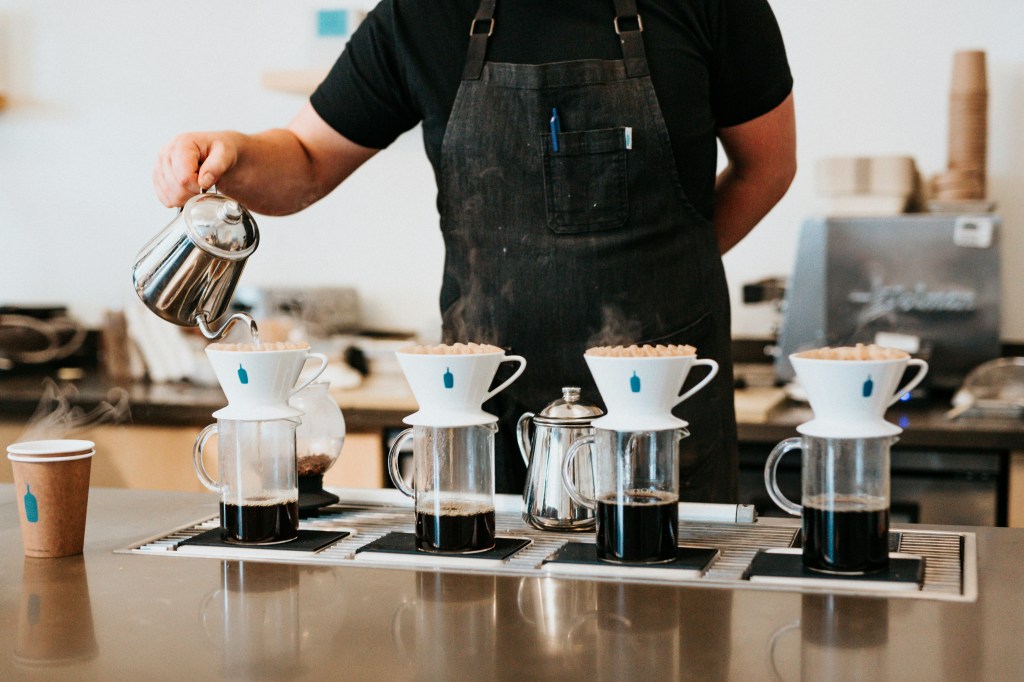
Filters are one of those things that aren’t really very expensive and are so thin and small that it might not seem like a big deal to throw away this single-use product. But if you’re making a pot of coffee every single day, that can add up in terms of cumulative waste. It’s also easily avoidable so let’s talk about alternatives and save our waste for things that don’t have an easy alternative.
White vs brown filters
The key difference between the two types of single-use filters and their eco-friendliness is whether or not chemicals are used to make them. White paper coffee filters are by far the most common. And you may not have even considered what could be wrong with them since paper is usually white, right? Well what makes paper coffee filters white is that they go through a chemical bleaching process, usually using chlorine to get them that color (and who wants that in their coffee anyway??).
Brown filters are originally made from the same material as white filters (paper that comes from trees) but aren’t chemically bleached. Makes sense, right? Trees = brown and coffee filters = brown. If you are going to opt for single-use paper filters, the brown ones are the way to go. Not only is it more eco-friendly to make them because to no harsh chemicals are used but since they aren’t bleached it also means they can be composted.
Reusable filters
An even better filter option than the brown paper one is a reusable filter. The one we use at our house is called Coffee Sock and we absolutely love it. It’s made of 100% cotton so it’s all natural and when it does reach the end of its life it will be compostable. But I expect it will take years and years to get to the point where we need to even consider that – we have been using ours for about a year and they are still in just as good of shape as when we bought them. They come in a two pack so when we are done with our morning pot of coffee, the grounds get dumped out into the compost, the filter gets rinsed in the sink and set out to dry, and there is another one all ready for us to use the next day. To clean them, just boil in hot water for 10 minutes.
Other brewing methods
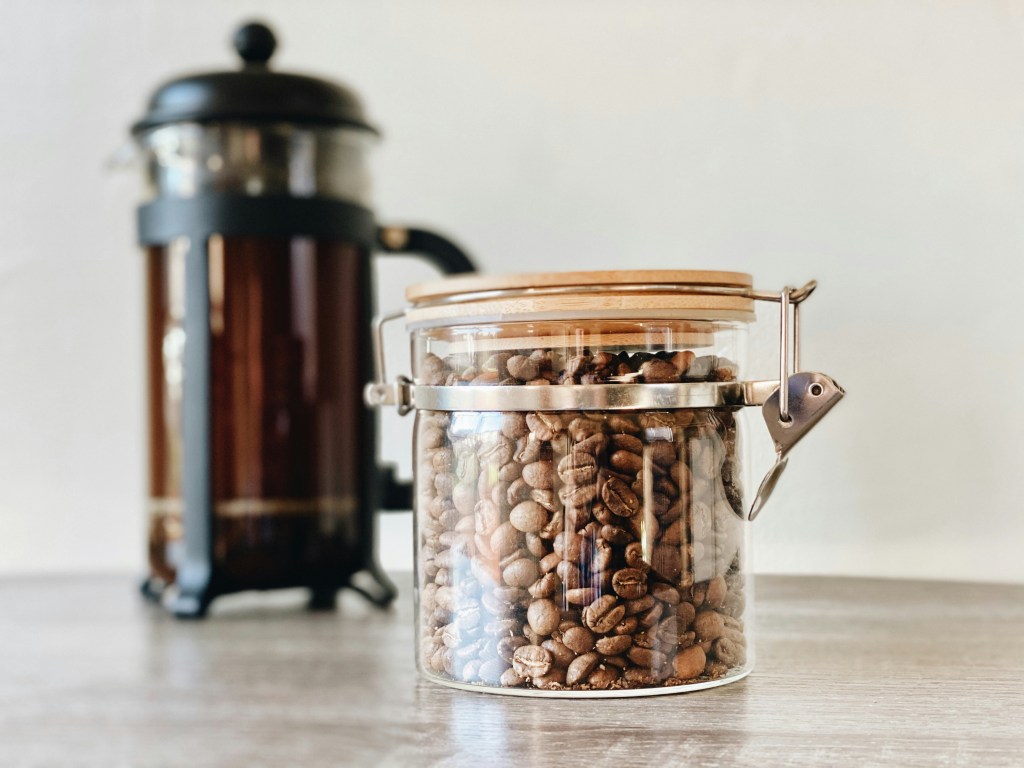
We are “traditional” coffee drinkers at our house but there are also other brewing options that could remove the need for a filter altogether including a french press or pour over. Some pour over set ups still use a filter but depending on the tools you have you might be able to get away with not using one at all. French presses don’t ever use filters so are another great option. For me personally, I am a) not patient enough and b) drink too much coffee for a french press 🙂
If at all possible, try to avoid any brewing methods that involve pods. This includes Nespresso and Keurig. Of course you can buy adaptors for these where you can use coffee grounds instead of the pods, and that’s a great option. But I’m talking about the little plastic pods designed to go into these machines. Even if you are able to find an option for recycling these, the amount of resources needed to separate all those materials so they can be recycled is absolutely not a good situation for the environment.
Used Grounds
Composting
As I mention above, you can throw your used coffee grounds straight in the compost so if you have a good compost option this is a great way to dispose of used grounds.
DIY & upcycling
I have also seen where people use coffee grounds to make body scrubs because they have great exfoliating properties. They can also be added to house plants as a sort of fertilizer. Both are great options to give those grounds another life!
Fair Trade Coffee
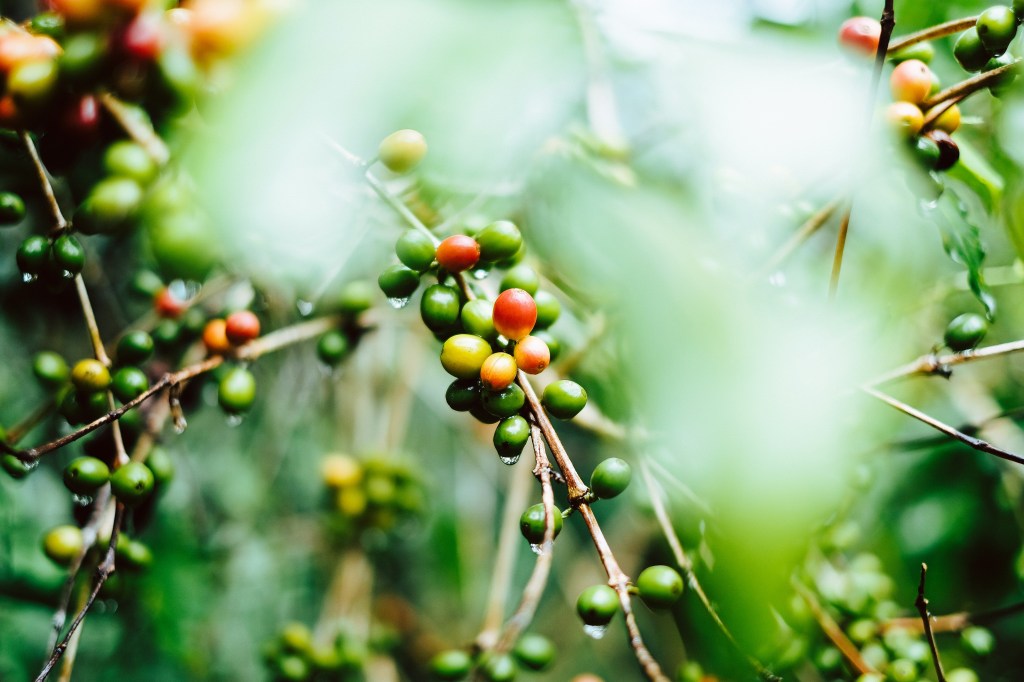
Since coffee beans prefer tropical climates and the best growing conditions for coffee beans don’t really exist anywhere in the United States, coffee is pretty much always imported from around the world. Unfortunately, since this is the case, we can’t always guarantee that the coffee we buy was farmed ethically. The one way you can guarantee this though is by only buying coffee that is fair trade certified. The fair trade organization is known worldwide for enforcing sustainable sourcing for all different kinds of products. By seeking out coffee beans that are fair trade certified you can be assured that the growing conditions of the beans didn’t negatively impact the local areas where it was grown and that the working conditions for the farmers and other laborers was fair and ethical.
Bulk/Refill Stores
Like so many other groceries we buy, plastic packaging is no stranger to coffee beans. Whether you buy them in a bag or a tub, it can be hard to avoid the plastic if you buy your coffee at a normal grocery store. Some stores do, however, offer a BYO container option for beans and often have grinders on site in case you don’t have one at home. Even Trader Joe’s, a grocery store I used to love but stopped frequenting because so much of their products come wrapped in plastic, offers an option to bring your own container for coffee beans.
To Go & Coffee Shops
As a big fan of the vanilla latte, I am certainly not immune from a to-go cup of coffee. It’s one of my favorite ways to *treat myself*. However, the disposable cups that coffee shops use are, unfortunately, not recyclable. Even though they appear to be made of paper, they are coated in plastic on the inside, making them impossible to recycle. So how do we get our vanilla lattes without harming the earth?
Bring your own mug
Not only will most coffee shops allow you to bring your own to go mug, but some even offer discounts for doing so (like Starbucks). It’s usually not a big discount and maybe not enough to really motivate you financially but at least it’s a nice little reward for doing the right thing. This is a great option if you are on-the-go and don’t have time to sit down and drink your coffee in a real mug.
Make it at home
One of the best things I’ve ever done for myself was to learn how to make a latte at home. Don’t get me wrong, it doesn’t always hit quite the same as one made by a professional, but it’s good in a pinch. So even if you are in a hurry and on the go, you can pour your drink in a to go mug at home and take it on the road with you.
Get your coffee “for here”
Unless you tell them otherwise, most coffee shops assume you are getting your coffee to go and make it in a disposable cup. But lots of local shops have real mugs that they can use for anyone staying to drink their coffee at their shop. Ask your favorite local shop if they can make your favorite drink in a regular old coffee mug.
On the journey to zero waste, no one can be perfect. If you find yourself in a to go coffee situation without a reusable cup or have to buy a bag of coffee at the store in a pinch, don’t give yourself a hard time! We are all doing our best and some days that looks different than other days. But as much as we can try to employ these zero waste coffee tips the more the earth will appreciate it.


Leave a Reply